 Nhà máy ống thép không gỉ Phật Sơn Xinliheng

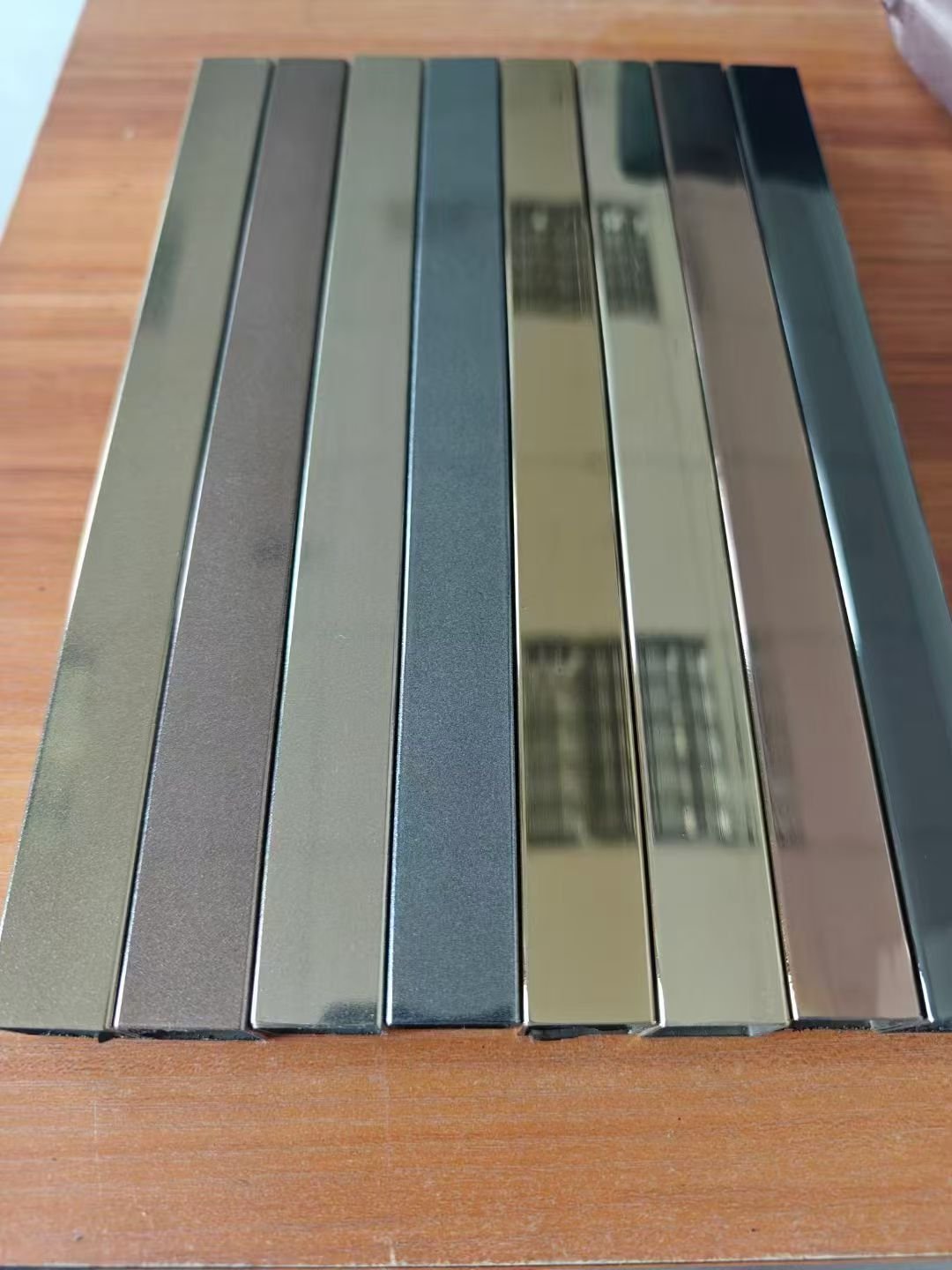
Tuần trước, Tôi đặt những ống inox nhiều màu sắc này lên kệ mẫu, và điều đầu tiên khách hàng thiết kế của tôi hỏi khi bước vào là, “Đây có phải là vật liệu trang trí mới?”
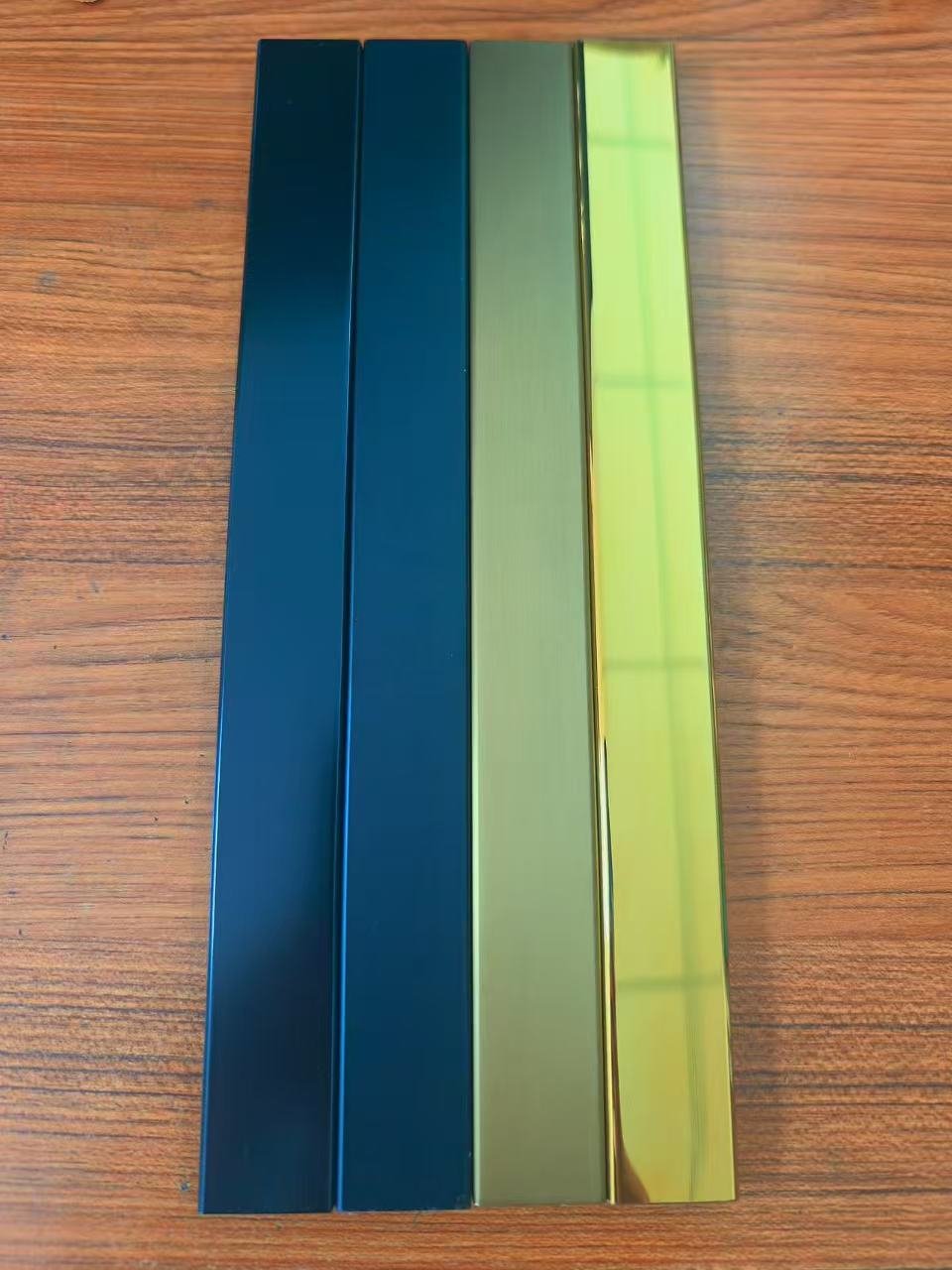
—It’s definitely not just a “vật liệu trang trí.” Đây là những ống inox màu cao cấp có 304 thép không gỉ lên một tầm cao mới: the surface has a vacuum-plated mirror/brushed texture, with colors gradation from deep sea blue to champagne gold. They feel cool to the touch, but when installed in a space, they’re like adding a filter to the overall aesthetic.
Don’t just think of them as “pretty tubes”: this material is incredibly durable.
First, and this is crucial: the color isn’t painted; it’s achieved through PVD vacuum ion plating—essentially creating an oxide film on the stainless steel surface, only 1/50th the thickness of a human hair, yet resistant to scratches, weak acids, and fading for over 10 năm.
Clients have used it for hotel corridor handrails: hundreds of people touch it daily, and even after six months, it’s still dazzlingly shiny after a wipe; furniture factories have also used it for table legs—coffee spills can be wiped away without leaving a trace.
In which “high-end scenes” does it secretly appear?
1. Interior Decoration: Elevating the Style with a Pipe
In the recently popular “minimalist luxury style,” this pipe is becoming the “atmosphere maker”:
Hotel/showroom wall trim: Champagne gold brushed pipe replaces traditional plaster lines; under the light, the wall instantly gains a “breathing” feel;
Milk tea shop counter edging: Deep sea blue mirrored pipe trim, the cool tone neutralizes the sweetness, even making photos look high-end;
Villa stair railings: Replacing solid wood/wrought iron, the cool metallic feel paired with warm lighting instantly transforms into “showroom style.”
Tuần trước, a designer said that using it for the door frame edging of a guesthouse only costs 15% more than ordinary stainless steel, but the “high-end feel” in client photos doubles.
2. Furniture Hardware: Making Details Memorable
A recent innovation in furniture manufacturing: using colored stainless steel tubing for chair frames and table legs—for example, using light gold tubing for dining chair legs, which is 30% lighter than solid wood yet possesses a vintage “vintage metal” feel; and drawer handles for dressing tables, made of thin tubing bent into minimalist shapes, which customers say “you can tell it’s high-quality just by touching it.”
Even more ingenious is the shelf support for custom cabinets: using deep-sea blue tubing instead of plastic supports, hidden under the shelves unnoticed, but the moment the cabinet door is opened, detail-oriented customers are immediately struck by its beauty.
3. Commercial Props: Making Display Racks “Built-in Traffic”
Display racks in trendy brand stores use mirrored gold tubing to create geometric structures, making even basic clothing items appear “limited edition”; cup holders in milk tea shops use gradient blue tubing bent into arcs, making the cup holders an “unexpected highlight” when customers take photos and post them on social media.
Some pop-up shops have even constructed entire exhibition areas using colorful stainless steel pipes—no painting, no extra decoration; the pipes’ own color and texture are the best “installation art.”
Why are more and more people choosing it?
It’s not about expensive equals good; it’s about “achieving great results with minimal investment”:
Lighter than solid wood/stone, reducing installation costs by 40%;
More durable than painted metal, requiring no renovation for 10 năm;
Most importantly: it doesn’t need “matching”—place it in any space, and it instantly exudes a “high-end feel.”
A few days ago, a client mentioned using these pipes to create a display shelf for a bakery, and someone on Xiaohongshu (a Chinese social media platform) specifically asked, “What material is the shelf made of?”—it turns out that the “aesthetics” of industrial materials have long been a key to attracting attention.
Finally: Don’t let your space “lose in the details.”
I used to think that “high-end” required a large investment, until I saw these pipes: they aren’t “luxury materials,” but simply a combination of “industrial texture” and “aesthetics.”
Next time you’re decorating or making a display, stop focusing on those trendy materials – try this colorful stainless steel pipe instead. It might just transform your space from “good-looking” to “memorable”.